


Prevention starts with the right Protection: iHudyat Inc's Guide to a practical fire safety system

Workplace hazards may be easy to spot, but fire risks often aren’t. Heat can quietly build up inside machinery, including office equipment. Electrical faults can go unnoticed as they develop. Combustible materials can accumulate over time. Incidents often occur only when several minor issues coincide.
That’s why effective fire safety depends on multiple layers, including detection, isolation, alerting, and prevention. When properly designed, fire safety systems do more than respond to incidents; they help prevent escalation.
What are fire protection systems?
Fire protection systems are engineered solutions that detect fire hazards early, warn occupants, manage risks, and automatically safeguard infrastructure.
Instead of depending solely on manual response, they work together to:
Detect early signs of danger
Alert occupants promptly
Shut off fuel or energy sources
Limit fire spread and damage
Help ensure safe evacuation
No single device provides complete protection; an integrated system therefore offers greater resilience.
for paraphrase
Core Components of an Effective Fire Safety System
Fire Extinguishers
Fire extinguishers act as the first line of protection against small fires. Choose the correct type of extinguisher according to the specific hazards found in various parts of your workplace.
Careful positioning around the facility ensures quick access in case of an emergency. Ongoing maintenance and inspections of fire extinguishers must be carried out to confirm that they function properly when needed.
Fire Alarm Systems
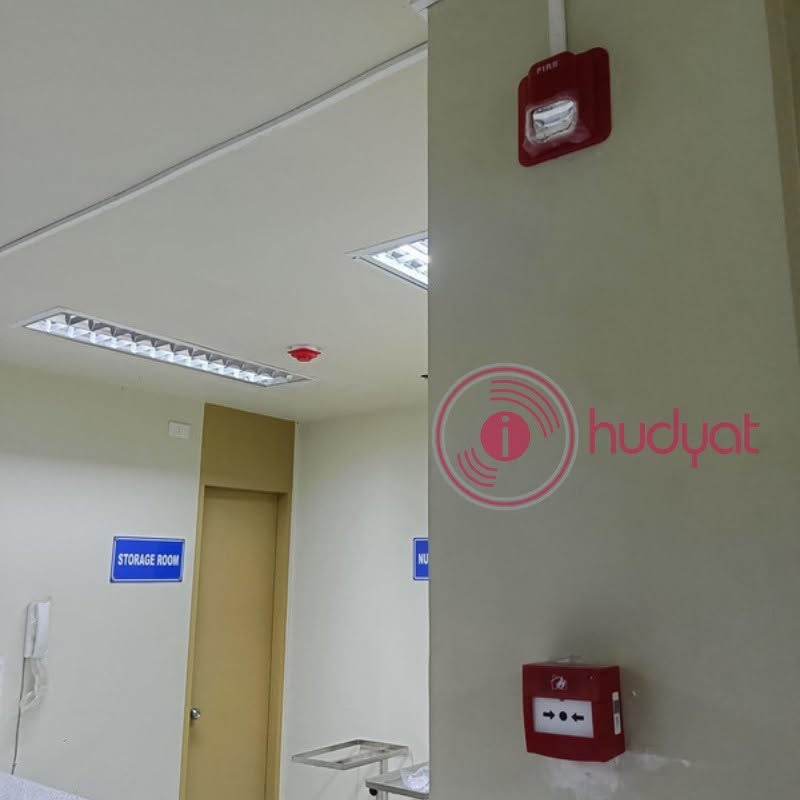
Early detection is essential for fire safety, and a complete fire alarm system is indispensable. This generally consists of smoke detectors, heat detectors, and manual call points linked to a central alarm system. Keep in mind… Smoke detectors can detect fires in their initial stages, whereas heat detectors are useful in locations where smoke detectors may trigger false alarms.
Sprinkler Systems
Automatic sprinkler systems are very efficient at managing fires before they can spread. These systems sense heat generated by a fire and spring into action to release water in the impacted area. They can greatly minimize property damage and preserve lives by managing or extinguishing fires during their initial stages.
Fire Control Panel
The fire control panel functions as the main center of an extensive fire protection system. This adaptable unit serves as the key control interface, effortlessly connecting multiple safety devices via a straightforward loop wiring system. It has the capability to link with a variety of sensors, such as panic buttons, electro-thermal links, and gas detectors, offering a cohesive monitoring solution.
Maintaining Fire Safety Systems
Fire safety systems need to be functional at all times.
Main priorities consist of:
Regular inspections
Expert servicing
Detailed maintenance logs
Scheduled system evaluations
Preventive upkeep safeguards both compliance and operational strength.
Trust iHudyat Inc for all your fire protection needs
When evaluating current systems or designing new ones, it’s crucial to comprehend your fire risk profile. iHudyat Inc offers expert advice, system design assistance, and site evaluations to guarantee that fire safety systems are accurately defined from the outset.
Make certain that your workplace is equipped with the appropriate fire protection measures. Our specialists can conduct a thorough fire safety evaluation of your property. Contact us today.


Comments