


iHudyat Inc: 5 Keys to Fire Safety
- marketing-officer
- Mar 5
- 2 min read
Fire safety is crucial for every workplace safety strategy. For companies, it’s essential not only to protect the well-being of employees, customers, and assets but also to fulfill legal obligations. Neglecting fire safety can result in devastating consequences, including fatalities and substantial financial losses.
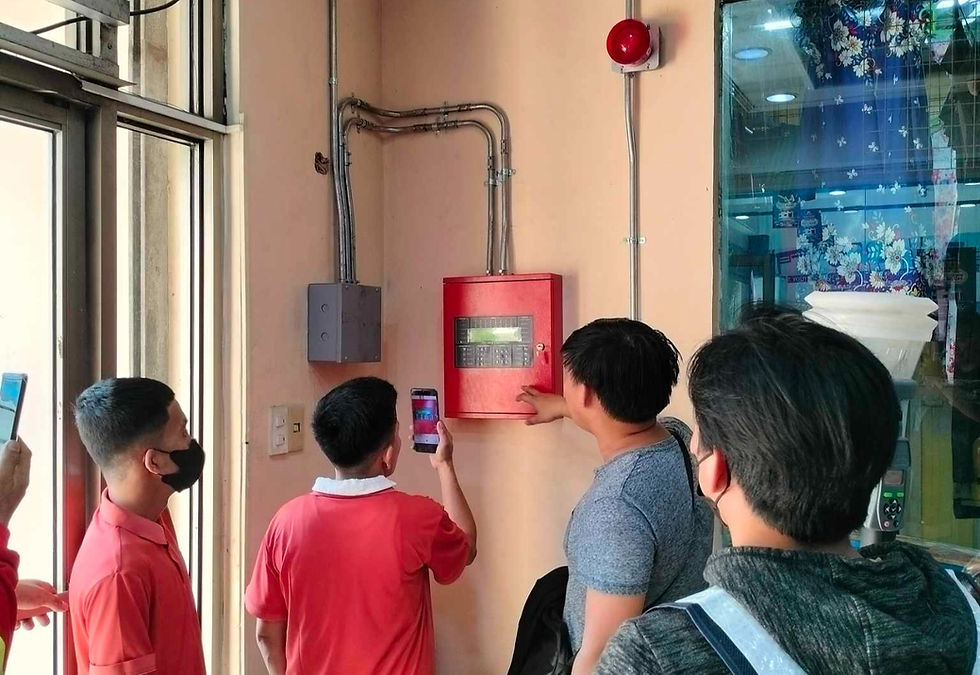
Fire safety encompasses a wide range of considerations, as many workplaces have both clear and subtle fire hazards. One of the essential components of fire safety for companies involves:
1. Carrying out frequent fire risk assessments is essential for maintaining fire safety in the workplace. These evaluations pinpoint potential fire hazards, assess the associated risks, and recommend strategies to mitigate them. Companies should periodically reassess their evaluations or when significant changes take place, such as acquiring new equipment or undergoing renovations. By detecting risks at an early stage, you can establish preventive measures before an incident takes place.
2. Fire Detection and Alarm Systems. The installation of dependable fire detection and alarm systems is vital for providing an early warning in case of a fire. These systems quickly notify occupants, enabling them to evacuate safely. Consistent testing and maintenance of these systems guarantees their proper functionality when necessary. Investing in a system that is professionally designed and installed specifically for your business premises is a valuable decision.
3. Fire Extinguishers and Suppression Systems. Having appropriate fire extinguishers and suppression systems can stop small fires from growing into significant disasters. Businesses need to ensure that fire extinguishers are appropriate for the specific fire hazards present and that they undergo regular inspections. Fire suppression systems, like sprinklers, can automatically manage or extinguish fires, reducing damage and safeguarding lives. Additionally, equipment such as fire blankets can be beneficial, with many businesses opting to place them next to fire extinguishers.
4. Emergency Lighting and Signage. During a fire, smoke, or power outage, visibility can be severely reduced. Emergency lighting assists in guiding employees and visitors to safety, while clearly marked fire exit signs promote a quick evacuation. Consistent maintenance of these systems is essential to guarantee their proper functioning when needed.
5. Employee Training. Employees are essential to fire safety. Offering consistent fire safety training and performing evacuation drills guarantees that everyone is aware of how to respond in an emergency. The training should cover the use of fire extinguishers, identifying alarm signals, and familiarizing oneself with evacuation procedures. Employees who are well-trained can help save lives and minimize panic during an actual incident.


Comments